Diwali celebrations begin with Dhanteras on November 6, 2026, and the main Diwali night, Lakshmi Puja, falls on Sunday, November 8. Some calendars open the festival a day earlier, on November 5 with Govatsa Dwadashi, and in Maharashtra the festivities start one day earlier too. The Vaishnava calendar stretches the observances all the way to Bhai Dooj on November 11, while the core five days run from Friday, November 6 through Tuesday, November 10.
So the short answer is Dhanteras, with a little wiggle room depending on your family’s calendar. Check which one your household follows, then plan backward from there.
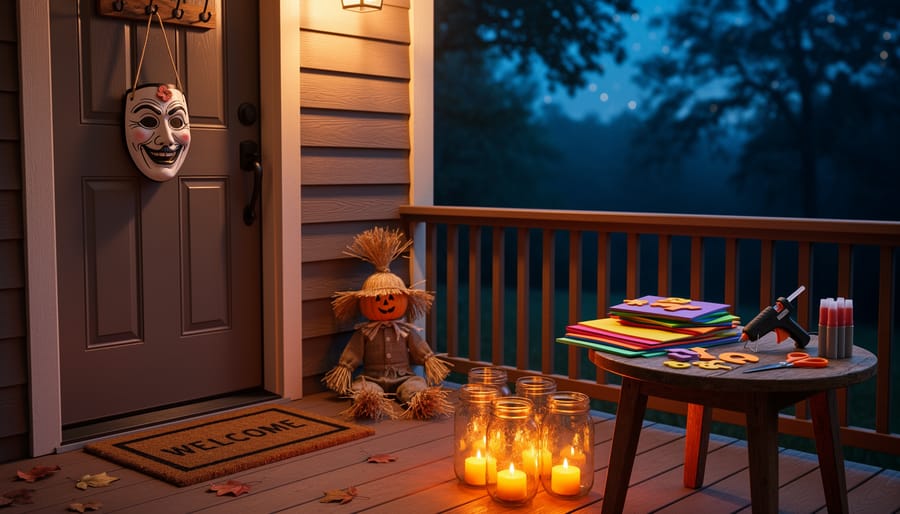
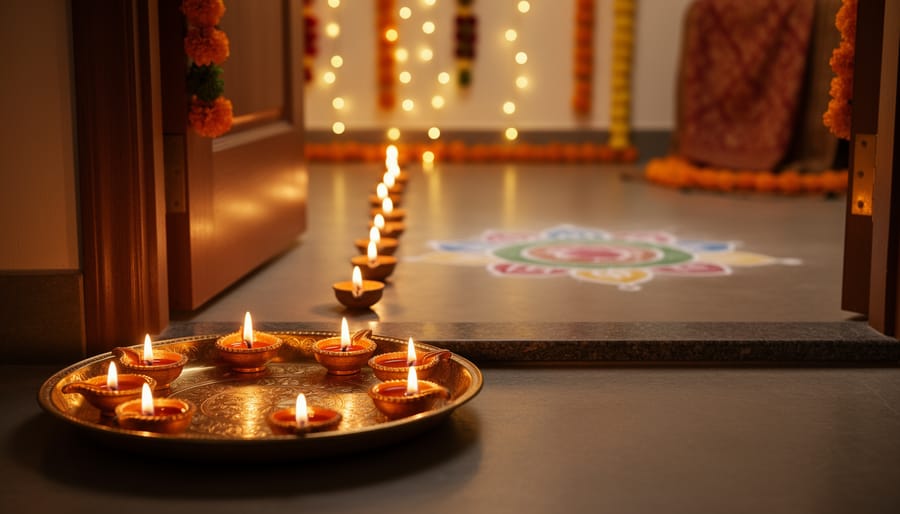
Here’s why the dates matter for your home. Each day has its own mood and its own small rituals, from fresh lamps and a swept doorway to rangoli by the entrance and a glowing table for the family. If you’ve just packed away the Halloween orange lights and craft supplies, good news: much of it can find a second life in your Diwali setup. In this guide, we’ll walk through the dates at a glance, then a simple decorating timeline from Dhanteras to Bhai Dooj, with materials, safety tips, and steps to get your space ready.
When Diwali Celebrations Begin in 2026: Your Key Dates at a Glance
Why You’ll See Different Start Dates
If you’ve seen two different start dates for Diwali, you’re not imagining things. Some calendars open the festivities with Govatsa Dwadashi on November 5, while others begin with Dhanteras on November 6, and in Maharashtra the celebrations start a day earlier. Some listings run the core days from November 6 through 10, but the Vaishnava calendar carries the observances all the way to November 11. Each one is right for the community that follows it, and you can see how the dates line up across the five-day festival period.
Tools and Materials for a Diwali-Ready Home (Many Are Left Over from Halloween)
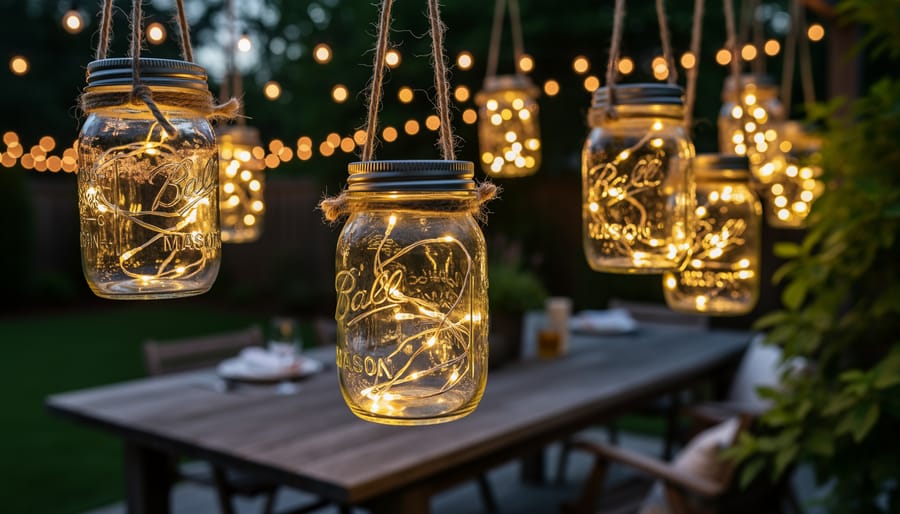
If you’ve just wrapped up some easy Halloween DIYs good news: your craft bin is already halfway to a Diwali-ready home. Mason jars that held spooky candles can glow golden for the festival, and a tangle of fairy lights looks just as magical wrapped around a doorway as it did on a porch railing. Spray paint in gold or copper gives plain jars and terracotta pots a shimmering finish, so the whole house feels warm and a little sparkly.
Here’s a simple checklist, grouped by project, so you can see what to dig out and what to pick up:
- Diyas and candles: terracotta diyas or small jars, battery tea lights for flameless glow, and a lighter only if you’re using real flames.
- Rangoli: chalk, coloured craft paper cut into patterns, and removable tape to protect floors.
- Paper lanterns and garlands: craft paper, glue, twine, scissors, and paper or fabric flowers in marigold shades.
- Doorway decor: fairy lights, twine for hanging, and a few jars to cluster by the entry.
Think about how it will feel, too. Soft lantern light on the wall, the faint earthy scent of real flowers if you have them, and a touch of shimmer from foil or metallic paint all add up to that cozy, celebratory mood.
Before you head to the shops, do a quick sweep of drawers and craft boxes. Twine, glue and paper are easy to forget, and you may find you only need a handful of extras. Gather everything on one table, sort it by project, and the rest of the decorating comes together much faster.
Safety First: Flames, Lights and Little Hands
A glowing home is the whole point of Diwali, and a few simple habits keep that glow worry-free. Think of these as the guardrails before we start decorating.
Keep open flames well away from anything that can catch: curtains, throw pillows, paper lanterns, dried-leaf garlands and fabric table runners. Give every diya and candle a clear, hard surface with plenty of breathing room, and never walk away from one that’s lit. If you’re making your own, our candle DIY ideas are a lovely starting point, just let anything homemade cool fully before it goes near decor.
Little hands and curious paws are drawn to anything shimmery, so tuck decorations up high or out of reach. Battery-operated tea lights and fairy lights are a gentle, cozy stand-in wherever a flame isn’t practical, like on a low shelf or a crowded entryway.
Before you plug anything in, check cords for fraying and make sure outlets aren’t overloaded.
Here’s when to stop and swap:
– A decoration looks scorched or smells like it’s singeing.
– A bulb or plug feels hot to the touch.
– A cord is frayed, cracked or loose in the outlet.
Any of these? Switch it off, let it cool, and replace it with a flameless option. The home will still look beautiful.
Step-by-Step: Decorating Your Home from Dhanteras to Bhai Dooj
Dhanteras (November 6): Clean, Clear and Welcome the Glow
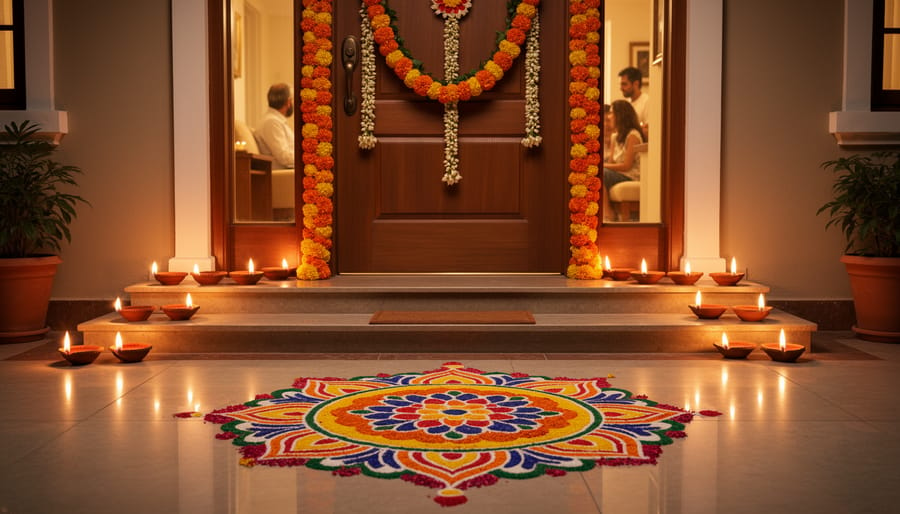
Dhanteras, on November 6, is the perfect day to start fresh, so begin with a good tidy. Clear the clutter from the entryway, wipe down the door, and shake out the doormat. A clean threshold feels like an open invitation, and it sets the mood for everything that follows.
Next, dress the doorway with something simple. A strand of fairy lights draped around the frame gives a soft shimmer, and a small garland of paper marigolds in warm orange and gold adds color without much effort. If you want more inspiration for lighting the outside of your home, these outdoor light ideas translate beautifully to the festival season.
Now for the glow. Set a first small cluster of diyas just inside or beside the door. If you’d rather skip open flames, flameless tea lights tucked into the same little dishes look wonderfully warm and are much easier around pets and kids.
Here’s where those Halloween leftovers earn a second life. Grab your mason jars, peel off any spooky decals, and wipe them clean. Drop a battery tea light inside, wrap the neck with twine, and add a sprig of faux flowers or a scrap of gold paper. Line two or three along the steps or a console table, and you’ve got lanterns that cast a gentle, honeyed light.
Keep it modest today. This is just the first layer of the glow, and the rest builds from here.
Kali Chaudas and Narak Chaturdashi (November 7-8): Build Up the Light
By Kali Chaudas on November 7, the home should start to glow in earnest. This is the stage where you layer, building up from the first cluster of lights you set out at Dhanteras. The next evening brings Narak Chaturdashi and Lakshmi Puja, the main Diwali celebration, on November 8, so these two days are your chance to make everything feel full and warm.
Start with fairy lights. Drape them along a mantel, a window frame or the edge of a bookshelf, and tuck a few into those mason jars left over from your Halloween crafts for a soft, golden shimmer. Then set out your hand-painted diyas. A little metallic paint and a few dots of color turn plain clay lamps into something special, and they’re a wonderful quiet activity for the whole family.
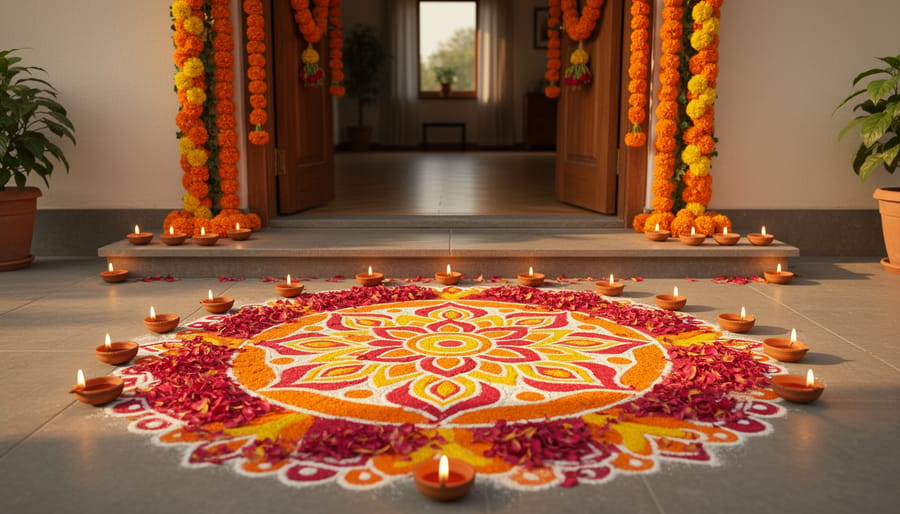
Now for rangoli, which is easier than it looks. If you rent or simply don’t want to risk your floors, skip the colored powder and try these:
– Sidewalk chalk drawn on a doormat-sized piece of cardboard or a washable board
– Paper templates cut from craft paper, laid flat and arranged in a flower or star pattern
– A ring of marigold-style paper petals around a central diya
Start with a simple circle and add petals outward, like a daisy. Nothing sticks, nothing stains, and you can lift it all away when the evening ends.
Lakshmi Puja Evening: Style the Puja Corner and Living Space
Picture a quiet corner by a window or along a bookshelf, set apart from the rest of the room. Lay down a soft cloth in a warm shade, maybe a silk scarf or a cotton throw, and let it fall in gentle folds. This is where the glow begins.
Arrange fresh marigolds or whatever blooms you can find in a low bowl, and tuck a few petals around the base of your lamps. Their scent is earthy and a little sweet, and it fills a small space beautifully. Add a few diyas or flameless tea lights in repurposed jars, and the flicker catches the petals like tiny sparks.
On Lakshmi Puja evening, November 8, many families light this corner as the day turns to dusk. Keep it simple and follow whatever traditions your household holds dear. There’s no single right way to arrange it.
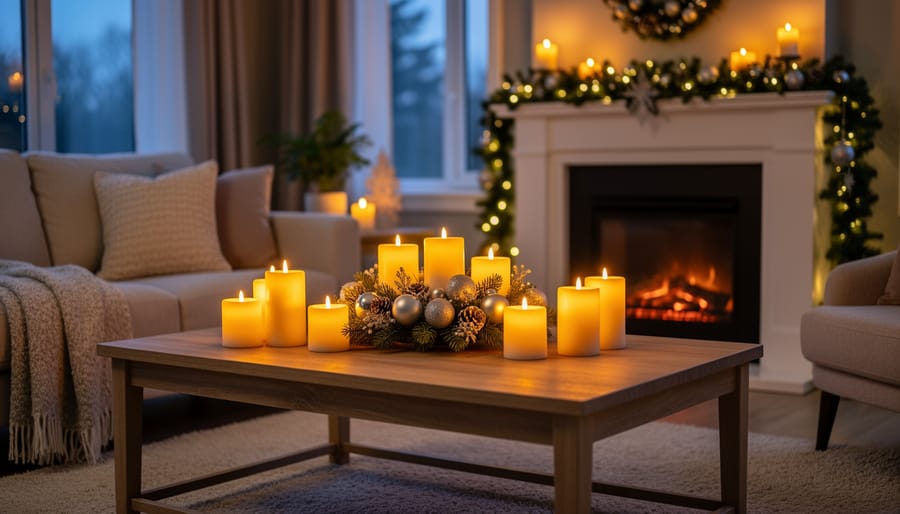
Then let the light travel. Drape a string of fairy lights along the mantel or curtain rod, and set a lantern on the coffee table. Dim the overhead lamps so the room settles into a soft amber haze. A woven rug, a few cushions in rich reds or golds, and a bowl of fruit or sweets on a side table make the living space feel like an extension of the puja corner. Stand in the doorway and take it in: calm, warm, and ready for company.
Govardhan Puja and Bhai Dooj (November 10-11): Keep It Going
Even if you’re only getting started today, November 10, you haven’t missed the moment. Govardhan Puja falls today, and Bhai Dooj follows on November 11 in the Vaishnava calendar, so there’s still a lovely stretch of festival left to enjoy.
Start by refreshing what you already have. Swap out any wilted flowers for fresh blooms, and tuck a few marigold-style paper garlands back into place where they’ve drooped. Re-light your diyas or, if you’re keeping things flameless, replace tired batteries in your tea lights so the glow stays warm and steady.
Then turn your attention to the table, since these last days are all about family. Lay down a simple runner in a rich jewel tone, and scatter a handful of flower petals along its length. Gather those leftover Halloween mason jars, slip a battery tea light inside each, and line them up for a soft, shimmery glow that flatters every dish you serve. If you’d like more inspiration, these ideas for festive table centerpieces come together in minutes and work beautifully for a sibling gathering.
Keep decor low enough that everyone can see across the table, and tuck any candles well away from napkins and paper accents. A few small touches, a bowl of petals, a cluster of jars, a fresh garland, are plenty to make the evening feel special.
Check Your Work and Keep the Festive Feeling Going
Before you settle in for the evening, do a slow walk-through of your home, the way you would on a house tour. Check that every diya and candle is on a stable, non-flammable surface, away from curtains and paper garlands. Test your fairy lights and swap out any bulb that feels hot. Keep walkways clear so no one trips over a lantern, and make sure pets can’t reach flames, flowers or loose tinsel.
To keep the glow going through Govardhan Puja and Bhai Dooj, refresh rather than rebuild. Replace wilted marigolds, tidy a rangoli that’s been walked over, and top up battery lights. A small change, like a new cluster of lanterns on the dining table, makes the whole room feel freshly welcoming.
When the festival winds down, wrap delicate pieces in tissue, label your jars, and coil your lights around a piece of cardboard so they don’t tangle. If you want a tidy system, these decor storage hacks make it easy to keep everything ready for your next seasonal craft project.
Diwali Decorating FAQs
Here are quick answers to the questions I hear most as the festival gets close.
When do Diwali celebrations begin in 2026?
Some calendars open the festival with Govatsa Dwadashi on November 5, while the core celebration starts with Dhanteras on November 6. In Maharashtra, festivities begin one day earlier.
How many days is Diwali, and which day is the main night?
Diwali is a five-day festival, and the core celebration runs from Friday, November 6 through Tuesday, November 10. The main Diwali night, with Narak Chaturdashi and Lakshmi Puja, falls on Sunday, November 8.
Why do some calendars show different dates?
Some calendars list observances from November 6 to 10, while the Vaishnava calendar extends them to November 11, when Bhai Dooj is observed. It’s worth checking which calendar your family follows.
Can I reuse Halloween decor, and what’s a safe alternative to open-flame diyas?
Yes, jars, twine, craft paper and fairy lights from your Halloween projects make lovely Diwali lanterns and garlands once you swap the spooky colors for warm golds and oranges. For flame-free glow, battery-operated tea lights and string lights give you the same soft shimmer with far less worry.
If you’re pulling things together at the last minute, don’t stress about covering every question or every day. Pick the calendar your family follows, choose one or two cozy touches, and let the rest of the festival unfold naturally around them.
If you’re reading this on November 10, you haven’t missed a thing. Govardhan Puja is today and Bhai Dooj is tomorrow, so there’s still plenty of festival left to light up. Pick one or two ideas from this guide, maybe a jar lantern by the door or a little rangoli near the entryway, and let that be enough. A home doesn’t need to look like a magazine spread to feel warm and welcoming. A handful of diyas or flameless lights, fresh flowers, and the people you love gathered close will do more than any elaborate setup.
Whichever calendar your family follows, the glow is really about time together, so put the phone down for a bit and enjoy it. When the celebrations wind down, tuck your reusable jars, fairy lights, twine, and leftover craft paper into a labeled box. They’ll be ready and waiting for your next seasonal project, whenever the mood to make something strikes again.