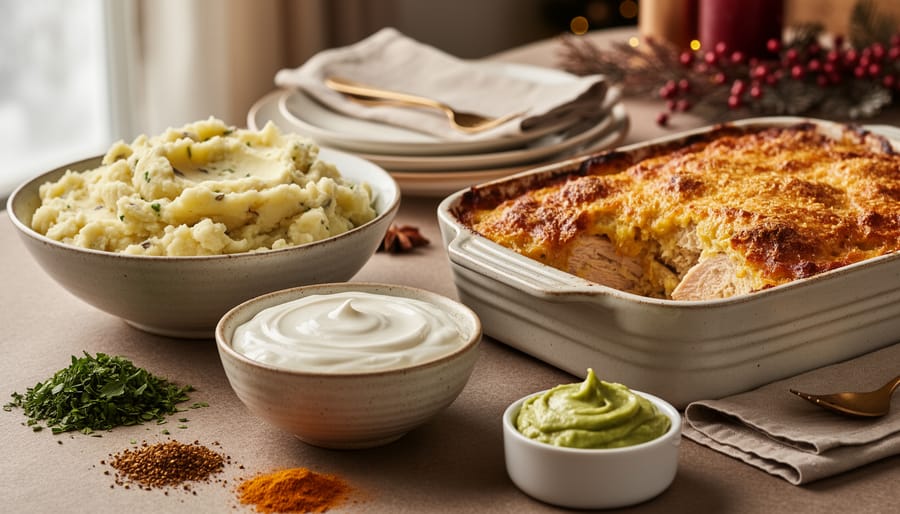
You can transform your favorite holiday dishes into healthier versions by swapping just a handful of key ingredients. Plain non-fat Greek yogurt stands in beautifully for sour cream (saving 5 grams of fat and 34 calories per two-tablespoon serving), while avocado puree replaces butter in baking and ground turkey breast lightens up casseroles traditionally made with beef. These simple swaps preserve the rich, comforting flavors you crave while cutting unnecessary saturated fat, empty calories, and refined sugar.
The best part? Your family likely won’t notice the difference. We tested ten ingredient swaps that work in real holiday recipes, from the mashed potatoes at Thanksgiving dinner to the cookies you’ll bake in December. Each one maintains the texture and taste that make these dishes feel special while delivering genuine nutritional benefits. Think farro or wild rice replacing white bread in stuffing, fresh cranberry blends with oranges and pears instead of canned sauce loaded with corn syrup, and traditional spices like nutmeg and thyme building flavor where salt and fat once dominated.
These aren’t trendy diet hacks that strip away everything delicious. They’re practical upgrades that honor the spirit of holiday cooking, drawing inspiration from the same cozy fall harvest recipes and cozy comfort food inspiration that make this season so memorable. You’ll find suggestions for using nuts and seeds, dried and fresh fruit, sautéed aromatics like garlic and onion, and natural sweeteners that genuinely enhance rather than mask flavor. The goal is simple: celebrate with the people you love while feeling good about what’s on your plate.
How We Chose These Healthy Swaps
We built this list around three non-negotiable standards: the swaps had to taste just as good as the originals, deliver measurable nutritional benefits, and work with ingredients you can find at any grocery store. These aren’t experimental substitutions that leave your family wondering what happened to grandma’s recipe. Instead, they’re practical alternatives recommended by registered dietitians and tested in real holiday kitchens.
Each ingredient also needed to serve double duty across several holiday dishes, not just one niche application. The goal was flexibility: swaps like plain non-fat Greek yogurt or fresh cranberry blends that enhance multiple parts of your holiday spread without requiring you to hunt down obscure products or compromise the comforting flavors that make seasonal meals special. These are straightforward, reliable improvements grounded in nutrition science, not fleeting food trends.
1. Plain Non-Fat Greek Yogurt Instead of Sour Cream
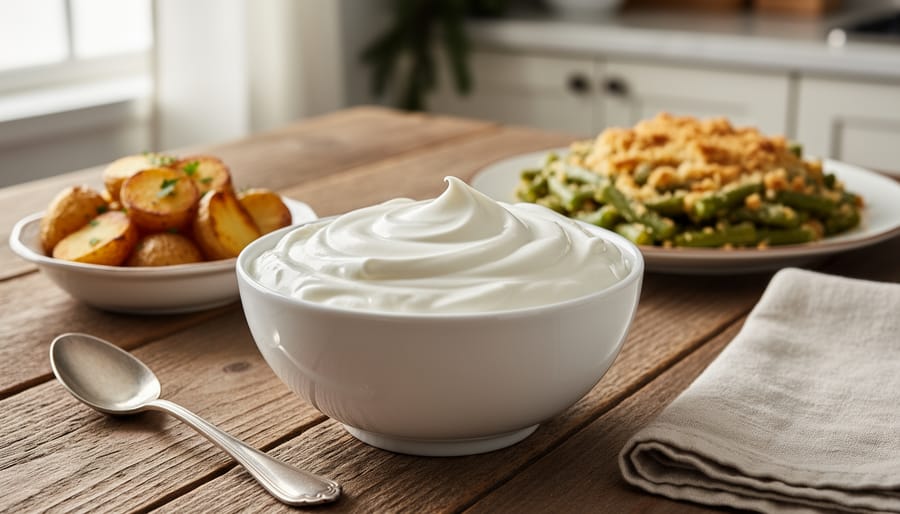
Plain non-fat Greek yogurt transforms rich holiday sides and appetizers with virtually no sacrifice in taste or texture. This swap works beautifully in mashed potatoes, vegetable dips, green bean casseroles, and even as a dollop on sweet potato dishes. The tangy, creamy profile matches sour cream so closely that most guests won’t notice the difference, but your waistline will.
The nutrition advantage is significant: each two-tablespoon serving delivers 34 fewer calories and 5 grams less fat than sour cream, while adding protein that helps you feel satisfied longer. That adds up quickly when you’re serving a crowd or enjoying multiple holiday meals throughout the season.
For the best results, let the Greek yogurt come to room temperature before mixing it into hot dishes like mashed potatoes. Cold yogurt can seize or separate when it hits warm food, creating an unappetizing texture. Stir it in gently rather than whipping vigorously, which preserves the silky consistency. If you’re making a cold dip, Greek yogurt works straight from the fridge, just fold in your herbs, garlic, or spices and let the flavors meld for an hour before serving. The tanginess actually enhances traditional holiday seasonings like dill, chives, and black pepper, making your appetizer spread both lighter and more flavorful.
2. Avocado Puree for Butter or Lard in Baking
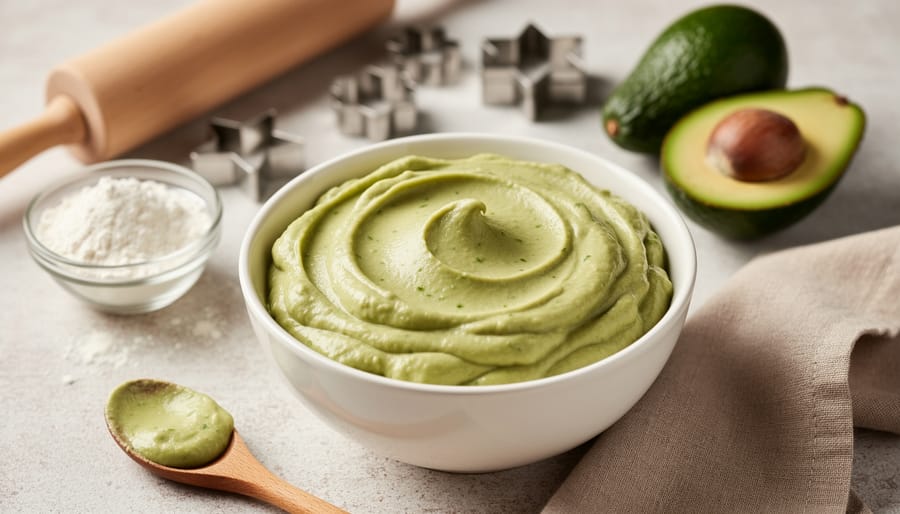
Avocado puree replaces butter or lard in holiday cookies, brownies, and quick breads with a simple one-to-one ratio, use one cup of mashed avocado for every cup of butter the recipe calls for. This swap cuts saturated fat dramatically while adding heart-healthy monounsaturated fats, fiber, and potassium to your holiday baking. The creamy texture mimics butter’s moisture beautifully, keeping baked goods tender without the heaviness.
The mild, neutral flavor of avocado won’t compete with the warm spices that define holiday treats. Cinnamon, ginger, nutmeg, cloves, and chocolate all shine through, masking any subtle avocado taste. In fact, richly spiced gingerbread cookies, pumpkin bread, and chocolate brownies are ideal candidates for this swap because their bold flavors naturally dominate.
For best results, use ripe avocados mashed until completely smooth, no lumps. The puree works especially well in dense, moist baked goods like brownies and quick breads. In delicate cookies that rely on butter for crispness or spread, you might notice a slightly softer, cakier texture. Start with half avocado and half butter if you’re hesitant, then adjust based on your preferences. This swap proves you can bake holiday favorites that taste indulgent while supporting your wellness goals.
3. Ground Turkey Breast Instead of Ground Beef
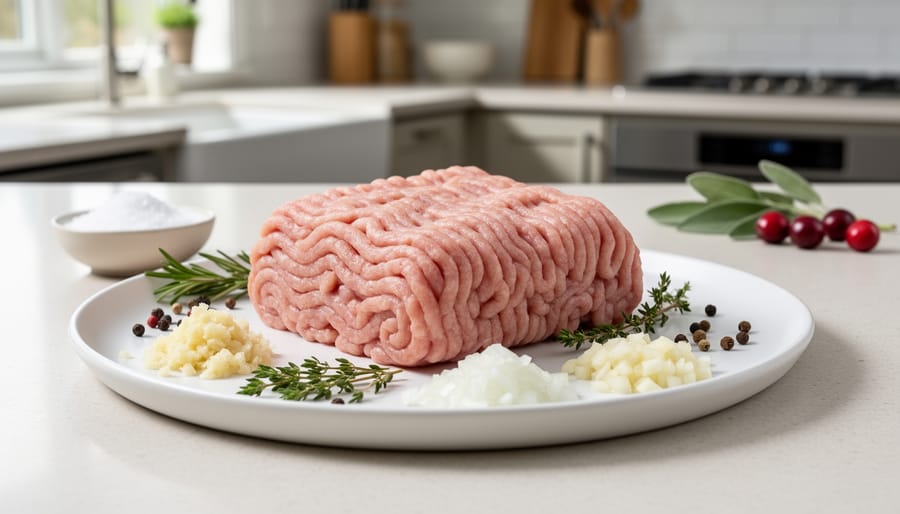
Swapping ground turkey breast for ground beef transforms savory holiday staples like stuffing, casseroles, and meat-based sides into lighter dishes without losing the hearty, comforting quality we crave. Ground turkey breast dramatically cuts saturated fat while delivering the same protein your body needs, making it a smart choice when rich holiday meals pile up throughout the season.
The challenge with turkey is keeping it moist and flavorful, since it’s naturally leaner than beef. Season generously with fresh cracked black pepper, garlic powder, and those classic holiday herbs, sage, thyme, and rosemary work beautifully. Add a splash of low-sodium chicken broth or a drizzle of olive oil to the pan as the turkey cooks to prevent dryness. Don’t skip the aromatics: sautéed onions, celery, and garlic build a savory foundation that makes the turkey taste just as satisfying as beef.
For stuffing, brown the turkey first and let those flavorful bits cling to your bread cubes or grains. In casseroles, mix the cooked turkey with vegetables and a touch of broth before baking to lock in moisture. The result tastes every bit as comforting as the original, with a cleaner finish that leaves you energized rather than weighed down.
4. Farro or Wild Rice Instead of White Bread in Stuffing
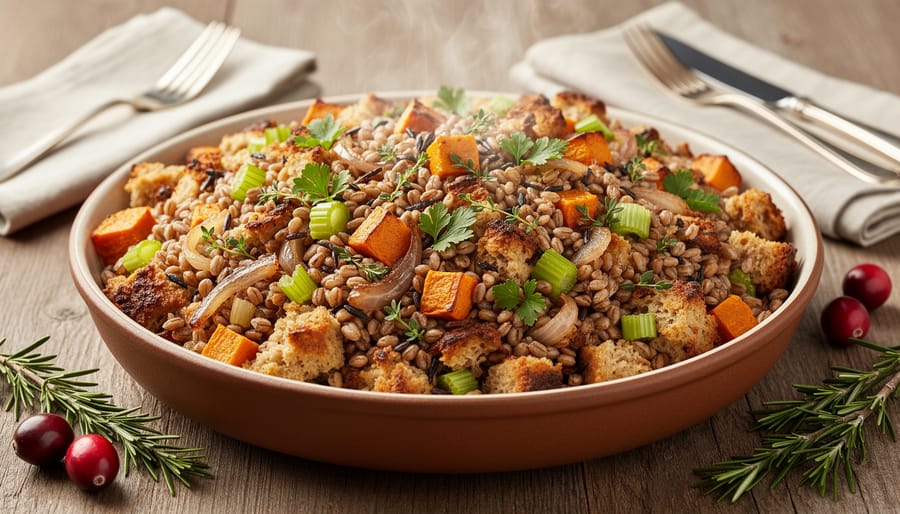
Swapping white bread for farro or wild rice transforms stuffing into a nutrient-dense centerpiece that still captures every bit of that savory, aromatic holiday magic. Both grains bring substantially more fiber, protein, and minerals than refined bread cubes, farro offers a pleasantly chewy texture with a subtle nuttiness, while wild rice adds an earthy, almost toasted quality that pairs beautifully with traditional herbs.
To prepare either grain, cook it until just tender but not mushy. Farro typically simmers for about 25 to 30 minutes, while wild rice takes closer to 45 minutes. Drain well and let the grains cool slightly before tossing them with sautéed celery, onion, thyme, and sage. These grains absorb the aromatic flavors just as bread does, soaking up stock and seasonings while maintaining a satisfying, hearty bite.
The textural difference is the key to why this swap works so well. Instead of soft, spongy bread cubes, you get distinct grains that hold their shape and add substance to each forkful. The result feels more intentional and flavorful, not like a compromise. For best results, use a slightly higher ratio of broth to grain than you would for bread-based stuffing, and let the mixture rest for a few minutes before serving so the flavors meld beautifully.
5. Fresh Cranberry Blend with Fruit and Nuts for Canned Sauce
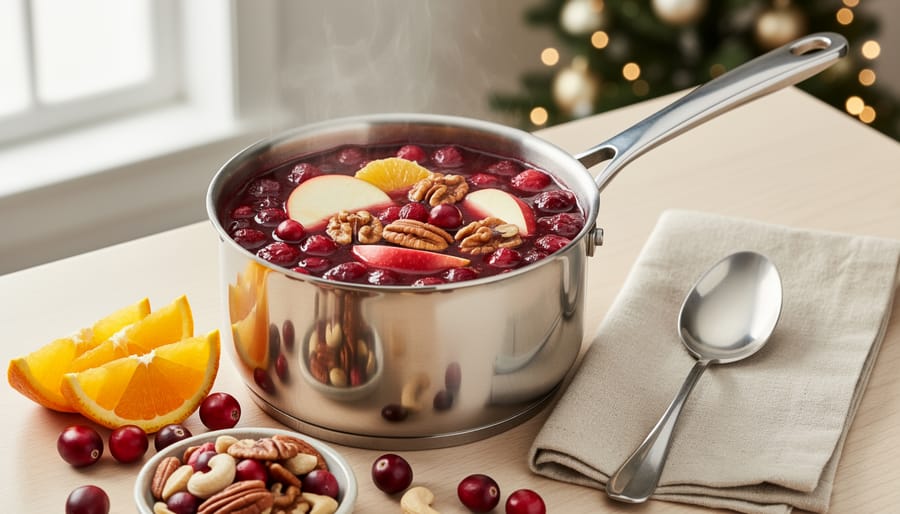
Canned cranberry sauce, the kind that slides out in a perfect cylinder with visible can rings, might be a nostalgic sight, but it’s loaded with refined sugar and little else. Making your own cranberry sauce transforms this holiday staple into something genuinely nutritious and delicious. Fresh cranberries bring vitamin C, antioxidants, and fiber that get lost in the canning process.
The technique is simple: cook fresh cranberries until they burst, then blend them with oranges, apples, pears, dates, and a touch of fresh ginger. The fruit adds natural sweetness and depth, reducing how much added sweetener you need. Finish with a drizzle of honey or maple syrup to taste, you’ll use far less than the cup or more of white sugar that canned versions contain. Stir in chopped hazelnuts or walnuts right before serving for crunch and healthy fats.
The flavor difference is striking. Instead of one-dimensional sweetness, you get bright citrus from the oranges, subtle earthiness from the pears, warmth from the ginger, and complex sweetness from the dates. Each spoonful tastes layered and fresh rather than flat. The nuts add texture that makes the sauce feel special, not just functional.
This swap cuts sugar significantly while adding vitamins, minerals, and satisfying complexity. It takes maybe twenty minutes longer than opening a can, but you’ll taste the difference in every bite, and so will your family.
6. Nuts and Seeds for Croutons and Fried Onions
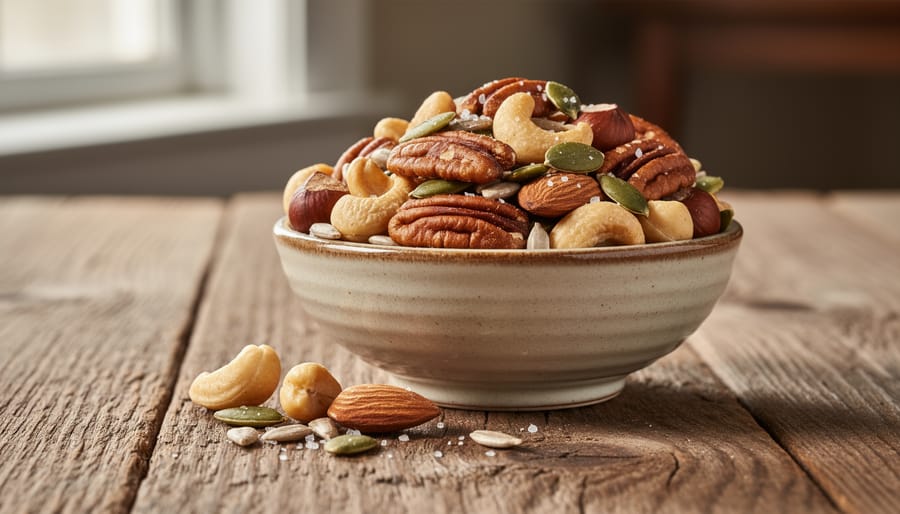
Toasted nuts and seeds deliver the satisfying crunch that makes green bean casseroles and holiday salads memorable, without the extra sodium and empty calories found in fried onions and buttery croutons. Almonds, pecans, walnuts, and pumpkin seeds bring healthy fats, protein, and fiber to the table, nutrients that help balance heavier holiday meals and keep you feeling full longer.
The transformation happens in minutes. Spread your chosen nuts or seeds in a single layer on a baking sheet and toast at 350°F for 6-8 minutes, shaking the pan halfway through. You’ll know they’re ready when they smell fragrant and turn golden. For an extra layer of seasonal flavor, toss them with a pinch of nutmeg, thyme, or sage before toasting. The warm spices amplify that holiday comfort we crave while the toasting process intensifies the natural oils and deepens the nutty taste.
Pecans and walnuts bring buttery richness to sweet potato casseroles and roasted vegetable medleys. Almonds add a clean, slightly sweet crunch to salads dressed with cranberries and goat cheese. Pumpkin seeds offer a subtle earthiness that pairs beautifully with brussels sprouts and kale. Chop larger nuts coarsely if you want them to blend in, or leave them whole for dramatic texture contrast. Either way, you’re adding substance instead of just surface crunch.
7. Sautéed Garlic, Onion, and Celery for Butter-Based Flavor Bases
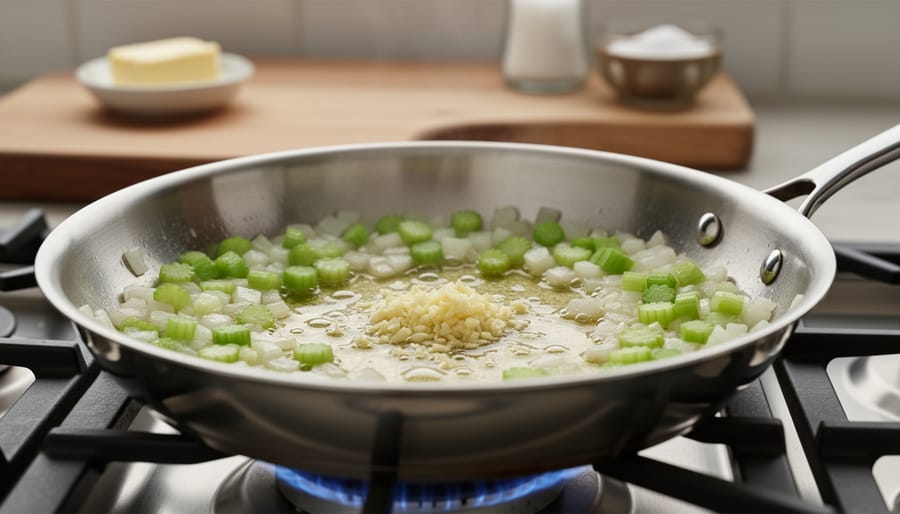
Starting your holiday dishes with slowly sautéed garlic, onion, and celery creates a deep, savory foundation that lets you cut butter and salt significantly without anyone noticing. These aromatic vegetables release natural sugars and complex flavor compounds as they cook, building the rich, comforting taste we associate with traditional holiday meals. This technique works beautifully in stuffing, gravy bases, vegetable sides, and casseroles where butter typically carries the flavor.
The method is simple: heat a small amount of olive oil or broth in a pan, add finely diced onion and celery, cook until softened and just beginning to caramelize, then stir in minced garlic for the final minute. This combination is already a holiday staple in most recipes, so you’re amplifying what’s there rather than introducing anything unfamiliar. The key is cooking these vegetables longer than you might usually do, allowing their natural sweetness to develop and create that satisfying depth that would otherwise come from multiple tablespoons of butter. You’ll get all the warmth and nostalgia your family expects, with a fraction of the saturated fat and sodium.
8. Fresh and Dried Fruit for Added Sugar
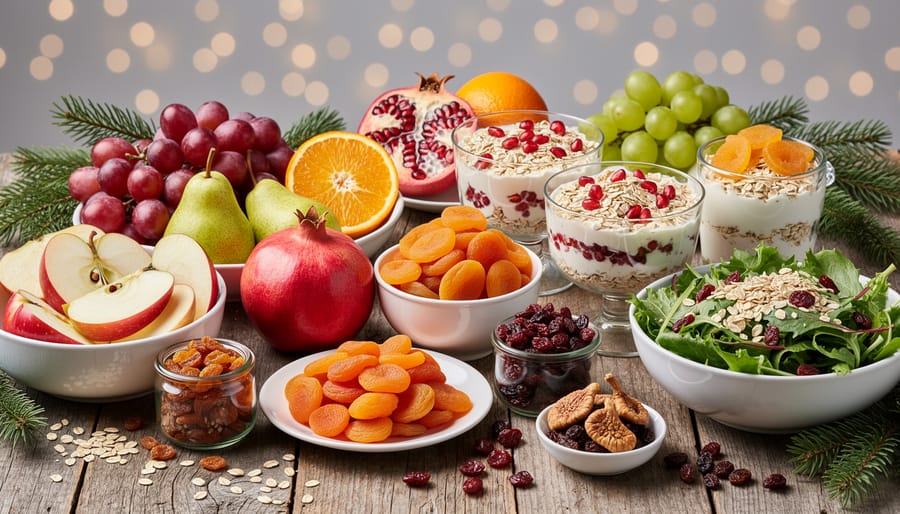
Chopped dates, figs, and raisins bring natural sweetness to holiday dishes while adding fiber that refined sugar can’t match. Mix them into stuffing alongside savory herbs, fold them into wild rice or grain salads, or use them to sweeten desserts without reaching for the sugar bowl. Fresh apples and pears work beautifully too, dice them into oatmeal toppings, chop them for cranberry relishes, or layer them into baked goods where their moisture keeps everything tender.
The fiber in whole fruit slows sugar absorption, so you avoid the sharp spike and crash that comes with white sugar. You’re also getting trace vitamins and minerals that support your body through a busy season. What makes this swap feel so natural for holiday cooking is how perfectly fruit pairs with cinnamon, nutmeg, and pumpkin spice. Those warm spices amplify the fruit’s sweetness, creating depth and complexity that plain sugar never could. A handful of chopped dates in your stuffing or a diced pear in your grain salad doesn’t taste like a compromise, it tastes like tradition with a little extra care.
9. Traditional Spices for Salt and Fat
Turning to your spice rack is one of the smartest ways to build depth and complexity in holiday dishes while keeping sodium and fat in check. Thyme, sage, nutmeg, cinnamon, and pumpkin spice don’t just season, they create the sensory warmth we associate with holiday comfort foods. These traditional spices were recommended by nutrition expert Pam Wooster as key elements in healthier holiday cooking because they amplify flavor without adding a single calorie.
Fresh or dried thyme and sage bring the savory, herbal backbone to stuffing, roasted vegetables, and turkey. A pinch of nutmeg transforms mashed potatoes and creamy casseroles. Cinnamon and pumpkin spice add sweet warmth to everything from roasted squash to desserts. When you use these spices generously, you can reduce the butter, cream, and salt a recipe calls for without anyone noticing, in fact, the flavors become more vivid and memorable.
The key is layering. Toast whole spices briefly in a dry pan before grinding, or add them at different stages of cooking. That aroma filling your kitchen? It’s central to holiday nostalgia, and it costs you nothing but intention.
10. Honey or Maple Syrup for Refined White Sugar
Swapping refined white sugar for honey or maple syrup brings more than just sweetness to your holiday table, it adds depth and character that actually improves traditional recipes. Both natural sweeteners contain trace minerals like manganese, zinc, and antioxidants that white sugar lacks, and they produce a gentler rise in blood sugar, making them kinder choices for energy levels during those long holiday meals.
The real magic is in the flavor. Honey brings floral notes that beautifully complement cinnamon-spiced sweet potatoes or ginger-forward desserts, while maple syrup’s caramel-like richness enhances glazes for roasted vegetables and pecan pies. Unlike white sugar’s one-dimensional sweetness, these natural alternatives add layers that make dishes taste more complex and intentional, perfect for healthier Thanksgiving sides that still feel indulgent.
For conversion, use three-quarters cup of honey or maple syrup for every cup of white sugar in baked goods, and reduce other liquids in the recipe by about three tablespoons to account for the added moisture. In glazes and sauces where you’re not worried about precise chemistry, start with a one-to-one swap and adjust to taste. Both sweeteners are slightly sweeter than sugar, so you might find you need even less than you think.
Key Details to Know
These practical details will help you successfully implement healthy swaps in your holiday cooking without stress or guesswork:
- Start with one or two swaps per recipe rather than overhauling everything at once, this preserves the familiar flavors your family expects while building your confidence with new techniques.
- Taste as you go when using swaps that affect sweetness or richness; honey and maple syrup are sweeter than white sugar, while Greek yogurt adds tanginess that sour cream doesn’t have.
- Keep portion sizes consistent with traditional recipes so the swap delivers its full benefit, using Greek yogurt but doubling the amount defeats the purpose of reducing calories and fat.
- Store fresh ingredients properly to extend their usefulness through the holiday season: ripe avocados freeze beautifully when pureed, and toasted nuts stay crisp in airtight containers for weeks.
- Combine swaps with vegetarian holiday comfort recipes to create lighter, plant-forward holiday menus that still feel indulgent and seasonal.
- Communicate changes to your guests gently, most won’t notice subtle ingredient swaps when the finished dish tastes familiar and satisfying, so there’s no need to announce every modification unless asked.
Remember that successful healthy holiday cooking balances nutrition with tradition, which means some dishes benefit more from swaps than others. Your signature pumpkin pie might be perfect as-is, while the mashed potatoes and stuffing offer easy wins with minimal taste difference.
Common Questions About Healthy Holiday Ingredient Swaps
These ingredient swaps raise practical questions, especially if you’re making changes to recipes your family expects year after year. Here’s what you need to know to feel confident in the kitchen.
Will these swaps change the taste of my holiday dishes?
The swaps we’ve shared preserve the flavors you love while making subtle improvements. Greek yogurt mimics sour cream’s tang, avocado puree disappears into baked goods, and traditional spices like thyme and nutmeg amplify the familiar holiday taste without adding calories. Most people won’t notice the difference, they’ll just enjoy the food.
Can I use multiple swaps in one recipe?
Absolutely. Combining swaps often works beautifully, try Greek yogurt and fresh herbs in mashed potatoes, or use farro stuffing with sautéed aromatics and dried fruit. Just introduce changes gradually if you’re new to these ingredients so you can gauge how each swap affects texture and flavor.
Are these healthier ingredients more expensive?
Most swaps cost about the same or less than the ingredients they replace. Greek yogurt, ground turkey breast, and dried fruit are widely available at reasonable prices, and using spices and aromatics for flavor costs far less than butter. Fresh cranberries and whole grains like farro may cost slightly more, but you’re gaining nutrition and taste.
How do I introduce these changes to family members who expect traditional dishes?
Start small by swapping one or two ingredients in a side dish rather than overhauling the entire menu. Most people won’t notice Greek yogurt in mashed potatoes or nuts instead of fried onions on a casserole. You can also keep one beloved dish exactly as it’s always been while making other recipes healthier.
These swaps also work well for common dietary needs. Farro and wild rice stuffing accommodates dairy-free guests, while nut and seed toppings offer gluten-free crunch. Ground turkey and Greek yogurt fit low-fat diets, and using fruit for sweetness reduces refined sugar across the board. The beauty of these swaps is their flexibility, they help you serve a table where everyone feels welcomed and well-fed, regardless of dietary preferences or restrictions.
Making Holiday Cooking Both Healthy and Delicious
Healthy holiday cooking isn’t about abandoning the traditions that bring comfort and connection to your table. These simple swaps show that you can honor your favorite seasonal recipes while making choices that support your wellness goals. The Greek yogurt in your mashed potatoes, the fresh cranberries simmered with oranges and honey, the toasted nuts bringing crunch to your green bean casserole, none of these changes erase what makes holiday food special.
You don’t need to overhaul your entire holiday menu. Pick the swaps that speak to you, whether that’s swapping farro into your stuffing or using avocado puree in your brownies. These ingredients work because they respect what we actually crave during the holidays: warmth, richness, and the nostalgic flavors of thyme, nutmeg, and cinnamon. Consider pairing your healthier dishes with edible holiday table ideas that celebrate fresh, seasonal ingredients as part of your celebration.
The holidays are about nourishment in every sense. Feeding your family food that tastes wonderful and supports their health is one of the most generous gifts you can give this season.