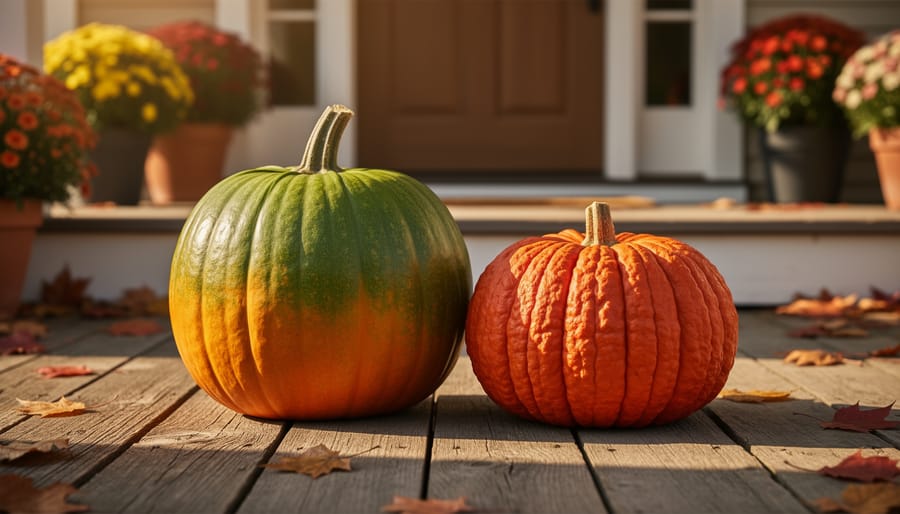
The right pumpkin for carving has thin walls and a roomy cavity, while the best one for pies packs dense, sweet flesh into a compact shape. If you’re standing in the pumpkin patch this November wondering which variety to toss in your cart, the distinction matters more than you’d think. Choosing a Jack-o’-lantern or Howden pumpkin for your doorstep decoration makes carving easy and fun, but try baking one into a pie and you’ll end up with watery, stringy disappointment. On the flip side, a Small Sugar pumpkin delivers rich, velvety filling perfect for Thanksgiving history‘s most beloved dessert, but its thick walls will wear out your wrist if you attempt to carve it.
The differences run deeper than size alone. Carving varieties like Connecticut Field grow large with thin, easy-to-cut shells and spacious interiors that welcome a candle. Cooking pumpkins stay smaller, typically six to eight inches across, with dense flesh that transforms into the smooth, naturally sweet puree your holiday recipes demand. Knowing which type suits your plans saves you money, frustration, and guarantees better results whether you’re creating a grinning jack-o’-lantern or serving up homemade pumpkin pie.
Carving vs. Cooking Pumpkins: At-a-Glance
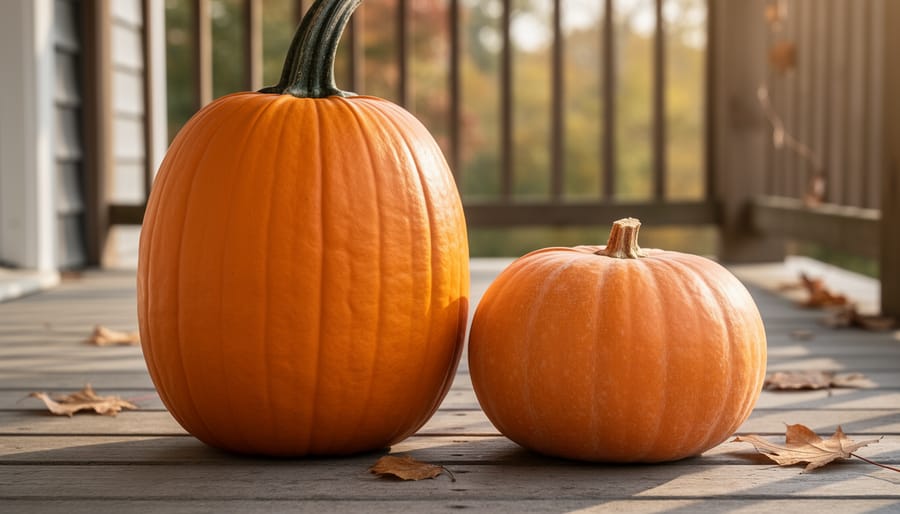
Picking the right pumpkin is easier once you know what sets carving and cooking varieties apart. Carving pumpkins like Howden and Jack-o’-lantern types grow large with thin walls and a spacious interior cavity, making them perfect for hollowing out and cutting intricate designs. Their flesh tends to be stringier and more watery, which doesn’t matter for decorating but means they’re disappointing in recipes. Cooking pumpkins, especially Small Sugar varieties, are compact (usually 6-8 inches across) with thick, dense, sweet flesh that transforms into rich purees and delicious pies. Here’s how they stack up side by side:
| Pumpkin Type | Typical Size | Flesh Texture | Flavor | Best Use |
|---|---|---|---|---|
| Carving Pumpkins | Large (varies) | Thin-walled, stringy, watery | Bland | Jack-o’-lanterns and decorating |
| Cooking Pumpkins | 6-8 inches diameter | Thick, dense, firm | Sweet and rich | Pies, purees, baking |
The key takeaway? If you’re carving faces, go big and hollowable. If you’re baking for Thanksgiving, choose small and sweet. Knowing this simple distinction saves you from wrestling with a stubborn pie pumpkin or serving a watery, flavorless dessert.
Understanding Carving Pumpkins and Cooking Pumpkins
What Are Carving Pumpkins?
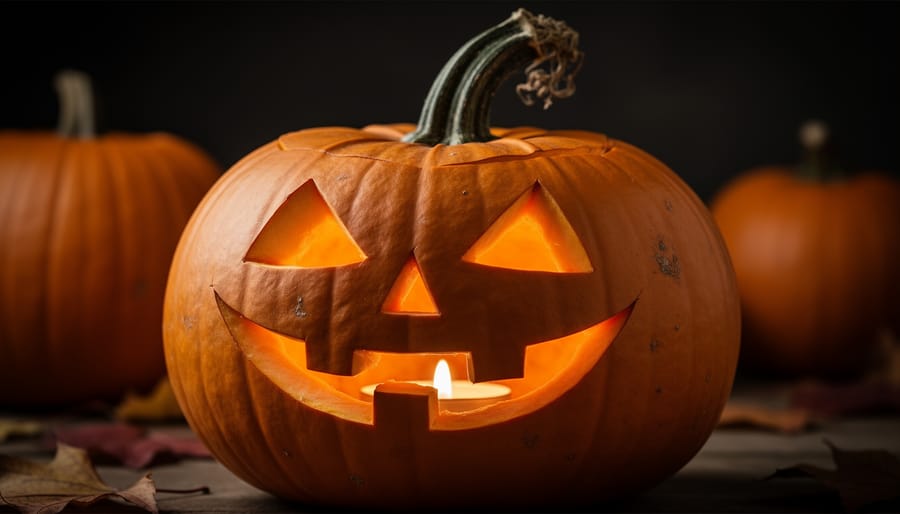
Carving pumpkins are the stars of Halloween displays and autumn porches, bred specifically with decoration in mind rather than dinner. These varieties prioritize form over flavor, developing characteristics that make them perfect for cutting intricate designs but less than ideal for recipes.
The defining feature of a carving pumpkin is its thinner walls. While a cooking pumpkin might have flesh an inch or more thick, carving varieties keep their walls slimmer, making it much easier to saw through with a carving knife. Inside, you’ll find a larger open cavity that simplifies the scooping process when you’re elbow-deep in pumpkin guts with excited kids gathered around the kitchen table.
The flesh itself tends to be stringier or more watery compared to cooking varieties. This looser, less dense texture means carving pumpkins won’t yield the smooth, rich puree you need for Thanksgiving pie. But that same quality makes them lighter to carry and simpler to hollow out completely.
Common carving varieties include Jack-o’-lantern and Howden pumpkins, both prized for their size and classic round shape that begs for a toothy grin. Connecticut Field pumpkins are another popular choice, easier to hollow out and cut than their thick-fleshed cousins. These varieties typically grow larger than pie pumpkins, giving you plenty of surface area for creative designs.
What Are Cooking Pumpkins?
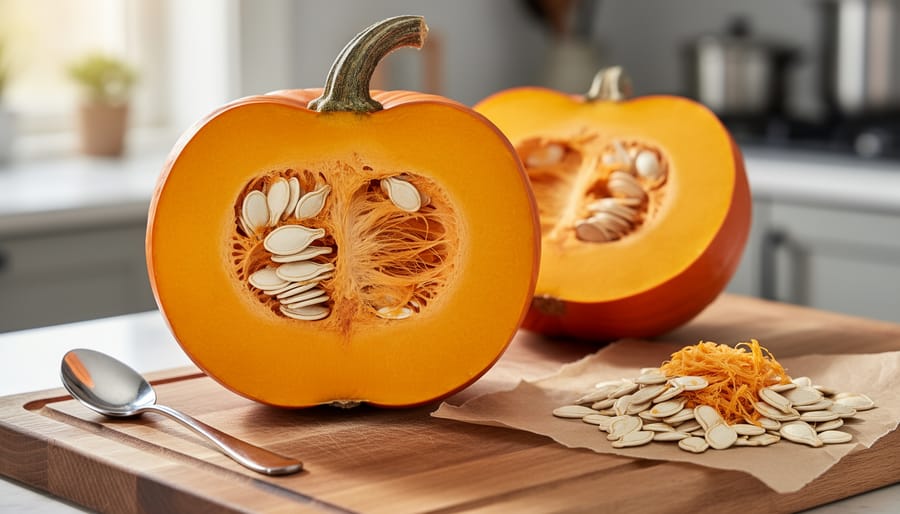
Cooking pumpkins are bred specifically for their culinary qualities rather than their decorative potential. These varieties typically measure 6-8 inches in diameter and boast a uniform round shape that makes them easy to work with in the kitchen. Unlike their carving cousins, cooking pumpkins feature thicker, denser flesh that transforms beautifully into smooth purees and rich baked goods.
The flesh of pie pumpkins is sweet, rich, and dense, offering a flavor profile that’s leagues ahead of carving varieties. This concentrated sweetness means you’ll need less added sugar in your recipes, and the natural richness creates that signature velvety texture everyone expects in a perfect pumpkin pie. The thicker walls yield significantly more usable flesh per pumpkin, so a single Small Sugar pumpkin can produce enough puree for multiple recipes.
Small Sugar pumpkins stand out as the gold standard for cooking and baking. These compact beauties pack maximum flavor into their modest size, making them ideal for everything from Thanksgiving pies to fall soups and roasted pumpkin dishes. When you slice one open, you’ll immediately notice the difference: the flesh is firm and deeply colored, not watery or stringy like carving pumpkins. Other pie varieties share these same desirable traits, prioritizing taste and texture over size and showiness.
How Carving and Cooking Pumpkins Compare
Size and Shape
The most noticeable difference between these two pumpkin types is their physical size. Pie pumpkins are compact, typically measuring just 6-8 inches in diameter. They’re almost perfectly round, with a neat, symmetrical shape that fits comfortably in your hands. This smaller size makes them easy to transport from the farm stand and manageable to work with in your kitchen.
Carving pumpkins, by contrast, come in much larger sizes designed to make a statement on your front porch. They range from basketball-sized specimens to impressively hefty varieties that can weigh 20 pounds or more. Jack-o’-lantern and Howden varieties often grow tall and wide, giving you a generous canvas for intricate designs. Their shape tends to be more variable too, with some displaying a classic round silhouette while others have a slightly flattened or elongated form. This variety in shape actually works to your advantage when carving, since the broader surfaces provide more space for creative faces and patterns that catch attention from the street.
Wall Thickness and Interior Cavity
When you cut into a carving pumpkin, you’ll immediately notice the difference in wall thickness compared to its cooking cousin. Carving varieties have walls that typically measure just half an inch to one inch thick, which makes them significantly easier to saw through when you’re creating your jack-o’-lantern design. This thinner shell means less resistance against your carving tools and a quicker hollowing-out process that won’t leave your arms tired.
The interior cavity tells an equally important story. Carving pumpkins are bred with large, open chambers that give you plenty of room to maneuver your hand and scoop out seeds efficiently. You can fit a candle or LED light inside with ease, and there’s ample space to work when cutting intricate patterns from the inside.
Cooking pumpkins flip this equation entirely. Their walls can be two to three times thicker than carving varieties, which translates directly into more usable flesh per pumpkin. That dense, substantial wall is exactly what you want when making puree or pie filling. The cavity is proportionally smaller, leaving more of the pumpkin dedicated to that sweet, flavorful flesh rather than hollow space. While this makes them impractical for carving elaborate designs, it’s precisely why they deliver superior results in your Thanksgiving recipes.
Flesh Texture and Water Content
The flesh inside a cooking pumpkin is dramatically different from what you’ll find in a carving variety, and this difference matters more than almost anything else when it comes to recipes. Pie pumpkins and other cooking varieties have thick, dense flesh that holds together beautifully when you scoop it out. The texture is firm and substantial, almost like a winter squash, with minimal water content. When you roast or steam this flesh, it transforms into a smooth, concentrated puree that’s perfect for pies, breads, and soups without requiring much draining or reduction.
Carving pumpkins tell a different story entirely. Their flesh tends to be stringier, with visible fibers running through it that don’t break down well during cooking. More importantly, carving varieties have much higher water content, which means the flesh stays watery and thin even after cooking. If you’ve ever tried making pie from a jack-o’-lantern pumpkin, you know the frustrating result: a soupy, flavorless puree that refuses to thicken properly no matter how long you cook it.
This textural divide explains why experienced bakers insist on true pie pumpkins for Thanksgiving recipes. The denser flesh yields more usable puree per pound and delivers the rich, velvety consistency that makes pumpkin desserts memorable.
Flavor Profile
The flavor difference between cooking and carving pumpkins is as pronounced as their physical characteristics. Pie pumpkins deliver a sweet, rich taste that makes them essential for Thanksgiving recipes. Their dense flesh concentrates natural sugars during the growing season, creating the deep pumpkin flavor you expect in homemade pies, soups, and baked goods. When you puree a Small Sugar pumpkin, you’ll notice an almost caramel-like sweetness and smooth, creamy texture that canned pumpkin tries to replicate.
Carving pumpkins, by contrast, offer bland, watery flesh with minimal sweetness. Jack-o’-lantern and Howden varieties are bred for size and visual appeal rather than culinary quality. Their flavor is flat and vegetal, lacking the concentrated sugars that develop in smaller pie varieties. The stringy texture further diminishes their cooking potential, producing thin, watery purees that won’t hold up in recipes.
This flavor gap explains why using a carving pumpkin for Thanksgiving pie leads to disappointing results no matter how much sugar you add. The fundamental sweetness and richness simply aren’t there. If flavor matters for your fall recipes, cooking pumpkins are non-negotiable. Save the large pumpkins for decorating your front porch and choose the smaller, sweeter varieties for your kitchen.
Best Pumpkin Varieties for Each Purpose
Top Carving Varieties
When you’re shopping for pumpkins to carve into jack-o’-lanterns, three varieties stand out for making your fall decorating easier and more rewarding.
Jack-o’-lantern pumpkins are named for their purpose and deliver exactly what you need. These classics offer the ideal combination of size and shape for creating traditional carved faces, with walls thin enough to cut through comfortably but sturdy enough to hold intricate designs. Their predictably round shape gives you a clean canvas to work with.
Howden pumpkins share similar carving-friendly characteristics and have become another go-to choice at pumpkin patches. Like Jack-o’-lanterns, they provide generous dimensions perfect for display on your porch while maintaining that manageable wall thickness that doesn’t exhaust your arm mid-carving.
Connecticut Field pumpkins deserve special mention if you’re tackling your first carving project or working with kids. These field pumpkins are notably easier to hollow out and cut than denser varieties, with large open cavities that make scooping out seeds and pulp much less tedious. You’ll spend less time wrestling with the interior and more time on the creative design work. While all three varieties have that stringier, more watery flesh that isn’t ideal for recipes, that’s exactly what makes them cooperative for carving tools and stencils.
Top Cooking Varieties
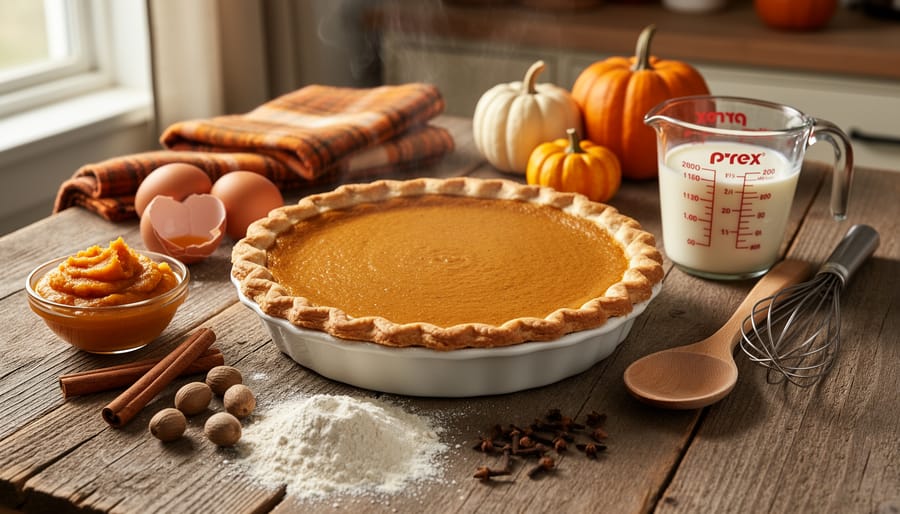
When you’re shopping for pumpkins to transform into Thanksgiving pie or other fall recipes, Small Sugar pumpkins should be at the top of your list. These compact beauties typically measure 6-8 inches in diameter with a uniform round shape that fits perfectly in your kitchen. Their thick, dense flesh delivers the sweet, rich flavor that makes homemade pumpkin puree so much better than canned.
You might also see Small Sugar pumpkins labeled as “pie pumpkins” or “sugar pumpkins” at your local farm stand or grocery store. The name tells you everything you need to know about their purpose. Other excellent cooking varieties include Baby Pam, New England Pie, and Winter Luxury, all bred specifically for their superior flavor and texture.
Look for pumpkins that feel heavy for their size, which indicates dense, meaty flesh rather than a large hollow cavity. The skin should be firm and free of soft spots. Unlike their carving cousins, these pumpkins won’t impress anyone with their size, but they’ll deliver the concentrated sweetness and smooth texture your Thanksgiving recipes deserve. One small cooking pumpkin typically yields about two cups of puree, perfect for a single pie.
Which Pumpkin Should You Choose?
Choose Carving Pumpkins If…
Carving pumpkins are your best bet when your primary goal is creating memorable jack-o’-lanterns for the front porch or Halloween displays. Their thinner walls and larger open cavities make the hollowing-out process much faster and less physically demanding, a real advantage when you’re working with kids or tackling multiple pumpkins in one afternoon. Jack-o’-lantern and Howden varieties are specifically bred for this purpose, offering the ideal size and shape for traditional carved designs.
These pumpkins also shine for general seasonal decorating. Whether you’re arranging an autumn tablescape, creating a harvest display on your doorstep, or simply want that classic orange pumpkin aesthetic without any cooking plans, carving varieties deliver. Their larger dimensions make a bold visual statement, and since you won’t be eating them, the stringier, more watery flesh doesn’t matter one bit. If the pumpkin’s role is purely decorative or if you’re prioritizing ease of carving over culinary quality, reach for a carving pumpkin every time.
Choose Cooking Pumpkins If…
Cooking pumpkins are your best choice when flavor and texture truly matter. If you’re making pumpkin pie for Thanksgiving, fresh puree delivers a sweetness and richness that canned versions can’t match, the dense, creamy flesh of Small Sugar pumpkins creates silky filling without excess moisture. You’ll also want cooking varieties for any fall harvest recipes where pumpkin is a star ingredient, from soups and breads to roasted sides.
Choose cooking pumpkins whenever you’re preparing dishes from scratch that highlight pumpkin’s natural flavor. Their thick walls yield substantially more usable flesh per pumpkin, making them practical for batch cooking and freezing puree for later use. The concentrated sweetness means you’ll need less added sugar in baked goods, and the lower water content prevents soggy crusts and watery batters. If you’re investing time in homemade Thanksgiving dishes or celebrating fall through cooking rather than decorating, cooking pumpkins are essential.
What Each Option Is
Carving pumpkins are varieties bred primarily for decorative fall displays and jack-o’-lantern creation. They typically feature thinner walls and larger open cavities that make hollowing and cutting straightforward, though this design leaves less usable flesh inside. Their size varies widely, often growing much larger than cooking types, and their flesh tends to be stringier or more watery with a blander flavor profile. Common carving varieties like Jack-o’-lantern, Howden, and Connecticut Field prioritize easy cutting and impressive visual impact over culinary quality.
Cooking pumpkins, often called pie pumpkins or sugar pumpkins, are grown specifically for eating. These smaller varieties, usually 6-8 inches in diameter with a uniform round shape, pack sweet, rich, and dense flesh perfect for Thanksgiving recipes. Their thicker walls yield substantially more usable flesh per pumpkin, and that flesh transforms into smooth, flavorful purees ideal for pies and other dishes gracing your Thanksgiving table. Small Sugar pumpkins exemplify this category, delivering concentrated sweetness and creamy texture that canned versions struggle to match.
Who Should Choose Which
Choose carving pumpkins if your fall plans center around creating traditional jack-o’-lanterns and seasonal porch displays. Families looking forward to carving night will appreciate how Jack-o’-lantern and Howden varieties offer the perfect canvas, their thinner walls and larger cavities make scooping and cutting dramatically easier, especially when you’re working with kids. Connecticut Field pumpkins are particularly forgiving for beginners since they hollow out with minimal effort. These varieties prioritize visual impact and ease of carving over flavor, making them the smart choice when your pumpkin’s destiny is decorative.
Choose cooking pumpkins if you’re planning to make pumpkin pie from scratch this Thanksgiving or incorporate fresh pumpkin into your fall baking. Small Sugar pumpkins deliver the sweet, rich, dense flesh that transforms into velvety purees and flavorful dishes, something watery carving varieties simply can’t match. Look for those compact 6-8 inch rounds at the market. If you’re serious about flavor and texture in your recipes, or if you want to avoid the metallic aftertaste that sometimes comes with canned puree, pie pumpkins are non-negotiable. Keep both types on hand if your household enjoys the full spectrum of fall pumpkin activities.
Common Questions About Choosing Pumpkins
Can you cook with a carving pumpkin?
Technically yes, but the results won’t be great. Carving pumpkins have stringier, more watery flesh with bland flavor, so your pie or soup will turn out watery and tasteless compared to what you’d get from a proper cooking variety.
Can you carve a pie pumpkin?
You can carve a Small Sugar or other pie pumpkin, but their smaller size (usually 6-8 inches in diameter) and thicker walls make them harder to hollow out and less impressive as jack-o’-lanterns. They’re better suited for recipes than decorating.
How do I tell carving and cooking pumpkins apart at the store?
Look at the size and check the label. Pie pumpkins are typically smaller with labels like “Sugar Pie” or “Small Sugar,” while carving pumpkins are larger with names like “Jack-o’-lantern” or “Howden.” When in doubt, pie pumpkins feel heavier for their size because of that dense flesh.
Do carving and cooking pumpkins really taste different?
Absolutely. Pie pumpkins have sweet, rich, dense flesh that makes delicious purees and baked goods, while carving varieties taste bland and watery with a texture that falls apart when cooked.
One question that comes up less often but matters just as much: should you buy your pumpkins at the same time? If you’re planning both jack-o’-lanterns and Thanksgiving recipes, grab your carving pumpkins first since they hold up well for weeks of display. Save the cooking pumpkin purchase for closer to baking day so you get the freshest flesh and best flavor for your pie.
Choosing the right pumpkin really does make all the difference this fall. When you match the pumpkin type to your purpose, you’ll create cleaner, more impressive jack-o’-lanterns and bake richer, more flavorful Thanksgiving pies. Carving pumpkins like Howden bring the fun of seasonal decorating without wasting good cooking flesh, while Small Sugar varieties turn your holiday recipes from bland to memorable. There’s no wrong choice, just the right pumpkin for the job. This season, consider bringing home one of each. A carving pumpkin for the front porch and a pie pumpkin for the kitchen means you’re ready for everything fall has to offer. Your family will enjoy the best of both traditions, and you’ll appreciate having exactly what you need when the moment calls for it.


